
The furniture house that commissions architects
There is a version of the architect-furniture collaboration that is purely cosmetic. A famous name, a chair that references their buildings in the most legible way possible, a limited edition. The point is the association, not the object.
MOR Design in Portugal operates differently. The house commissions furniture from Alvaro Siza, Kengo Kuma, John Pawson, Keiji Takeuchi, and Manuel Aires Mateus, among others. These are not vanity projects. Siza won the Pritzker Prize in 1992. His buildings, including the Serralves Museum in Porto and the rebuilding of Lisbon's Chiado district after the 1988 fire, are studied because they demonstrate something specific and difficult to teach: how architecture can be particular to its place and its light without being self-consciously regional. Pawson spent decades refining a design philosophy of reduction and proportion that is as close as contemporary practice gets to a transferable set of principles about how space should feel. Kuma's AITAI Table, unveiled at Casa da Arquitetura in Porto, combines Lioz limestone with Portuguese craft traditions in a piece that is clearly the work of someone who thinks about material, weight, and surface rather than about furniture as a category.
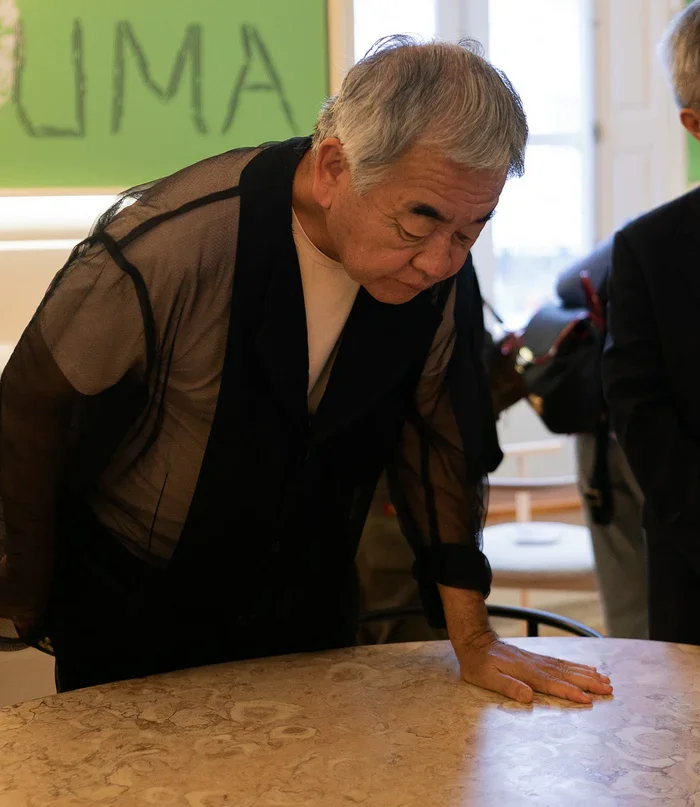
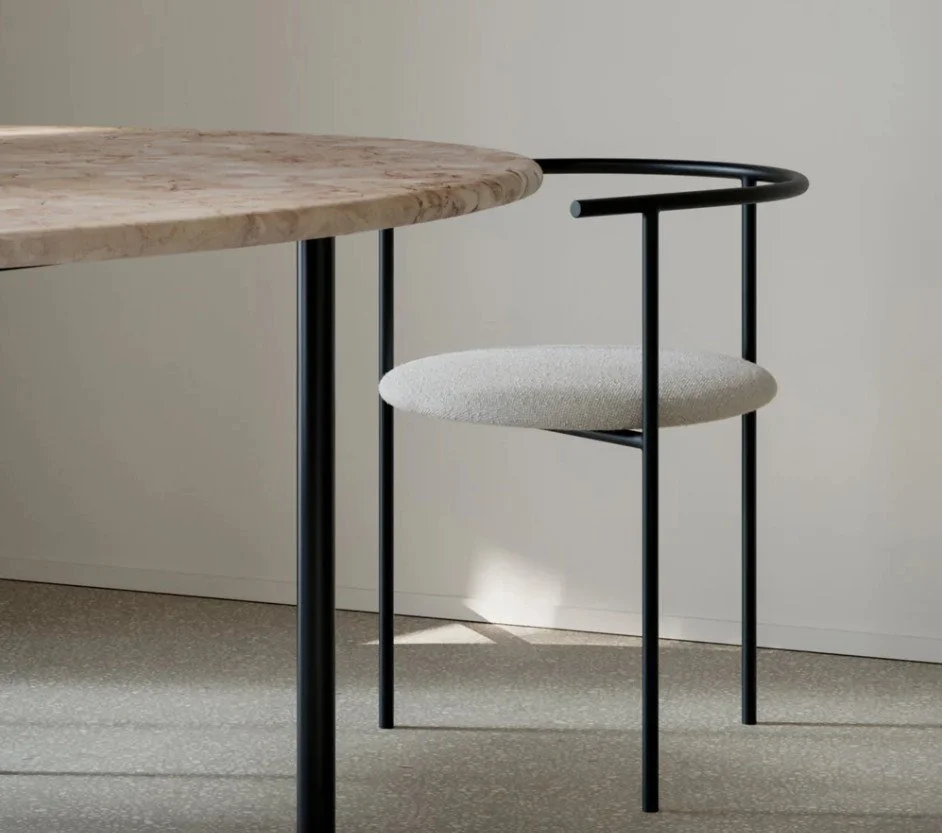
The production takes place in small facilities in Portugal: secular factories, traditional studios, workshops where the relationship between design intent and what comes out the other end is close enough to matter. MOR describes the approach as 'less of the same, more design.' The production context makes that specific rather than aspirational.
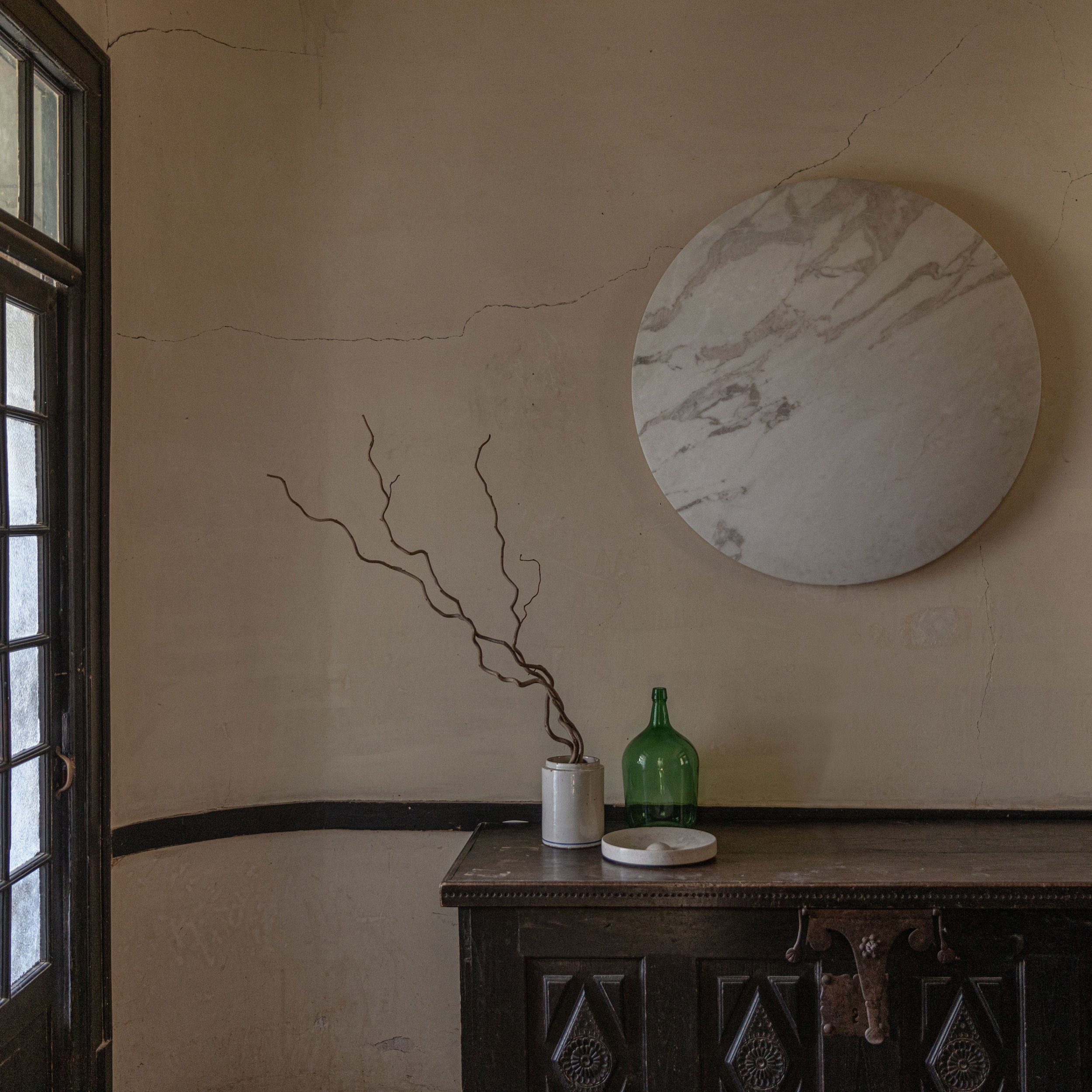
The range covers furniture, lighting, and objects together. Chairs, desks, sideboards, lounge seating, side tables, pendant lights, table lamps, mirrors, vases, candle holders, trays. All within the same design language, all from Portugal. For a designer specifying a complete interior, this matters in a practical way: when one house makes the table, the lamp that sits on it, and the objects beside them, and those things share a material logic, the room has a different quality than a room assembled from separate sourcing decisions where each piece is good and nothing quite connects.
MOR is not the only European furniture house worth knowing. It is one that is operating at a specific level, with a specific designer roster and a specific production philosophy, that is now available for specification in Canada and the United States through Fabryka Studios. If you are working on a project where the furniture needs to hold its position in a room that has been designed seriously, it is worth the conversation.