
The wood that outlasted teak
For most of the twentieth century, the outdoor furniture question had one answer: teak. Dense, oily, naturally rot-resistant, a track record in marine applications going back centuries. You could leave a teak chair outside for a decade and it would either hold its colour with some maintenance or weather to a silver-grey that looked considered rather than neglected. The case was airtight.
The problem with teak was never the wood. It was the distance. The teak in a European or North American terrace chair came from Myanmar or Indonesia, travelled by ship across two oceans, and arrived carrying a carbon footprint that the durability argument could not neutralize. By the time buyers started asking harder questions about supply chains, the teak industry had an answer problem.
A manufacturer in the south of France called Azur Confort had been making outdoor furniture for professionals since 1955 — hotels, restaurants, beach clubs, the kind of clients who need 80 chairs to survive a full outdoor season, not just look good in a photograph. In 2020, after seventy years of working with whatever the market expected, they made a decision that most of the industry had been slow to make: they stopped using exotic wood entirely and went European.
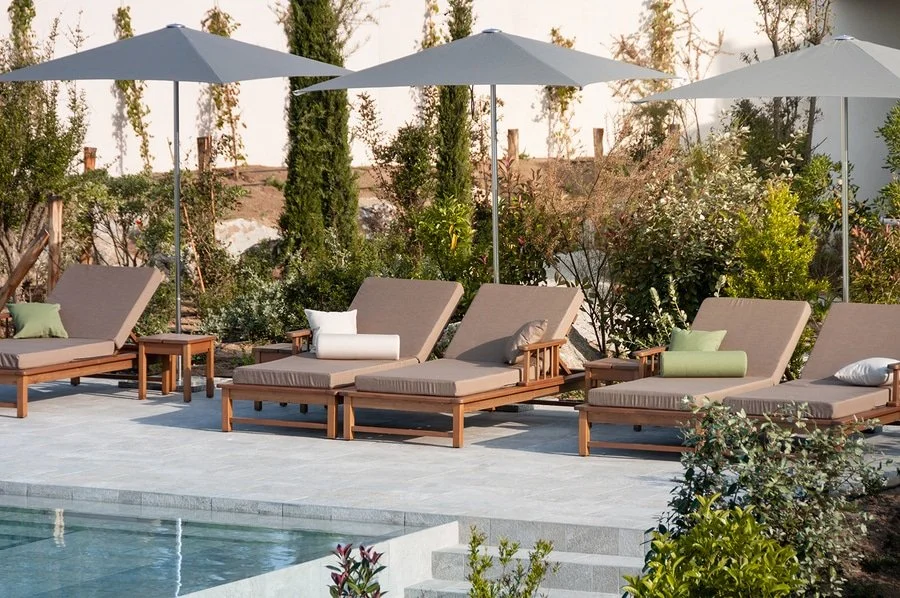
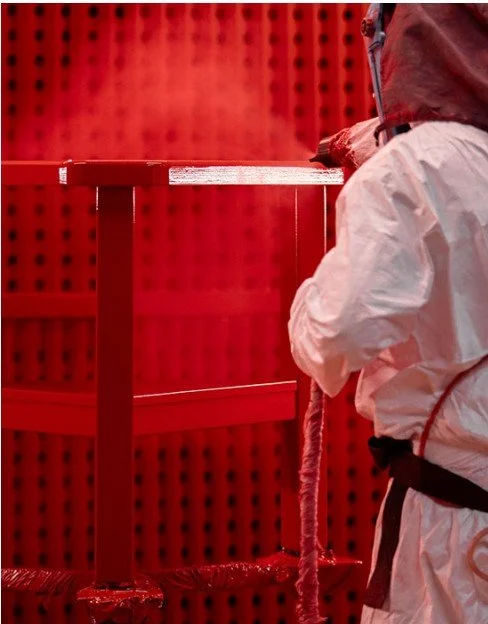
The replacement materials were Robinia and chestnut. Both grow in France. Both are sourced within 200 kilometres of the workshop in the Var. Robinia, which most people know as false acacia, carries a use class 4 durability rating under European timber standards — the same classification as teak. It is naturally resistant to fungi, insects, and weather without chemical treatment. It turns from a warm yellow-gold to a stable silver-grey when left untreated, or holds its original tone with a water-based finish that can be reapplied without stripping. Azur switched to water-based finishing systems in 2024, which also reduced the risk of contaminating the local environment during production.
Chestnut, which Azur uses for the Riviera and Dairi collections, is a different kind of argument. Dense, tannin-rich, with an open grain that takes oil, stain, and lacquer exceptionally well. France is Europe's leading producer. It does not require processing or treatment to perform correctly outside. It has been used in European outdoor construction for so long that the durability question was settled before anyone was asking it.
The beech in the Estiu collection is finished exclusively in lacquer, in 20 colours, because beech is not inherently weather-resistant in the way Robinia and chestnut are, and the lacquer creates the sealed surface that makes it work outside. That is an honest piece of material logic. Not every wood does every job.
The fabrics on the cushions and chair backs come from Serge Ferrari, a French technical textile manufacturer located thirty kilometres from Azur's factory, and from Sunbrella and Pierre Frey. The foam inside the outdoor cushions has a honeycomb structure that lets water pass through rather than hold it. The chair is usable hours after rain, not days.
None of this is especially complicated once you know it. It is just the kind of information that rarely makes it into an outdoor furniture specification conversation, which tends to start with how things look and end, two seasons later, with why they are deteriorating. The material conversation is the right one to have first. Azur is available for specification in Canada and the United States through Fabryka Studios.