
Why Furniture Always Looks Different On Site Than It Did In The Render
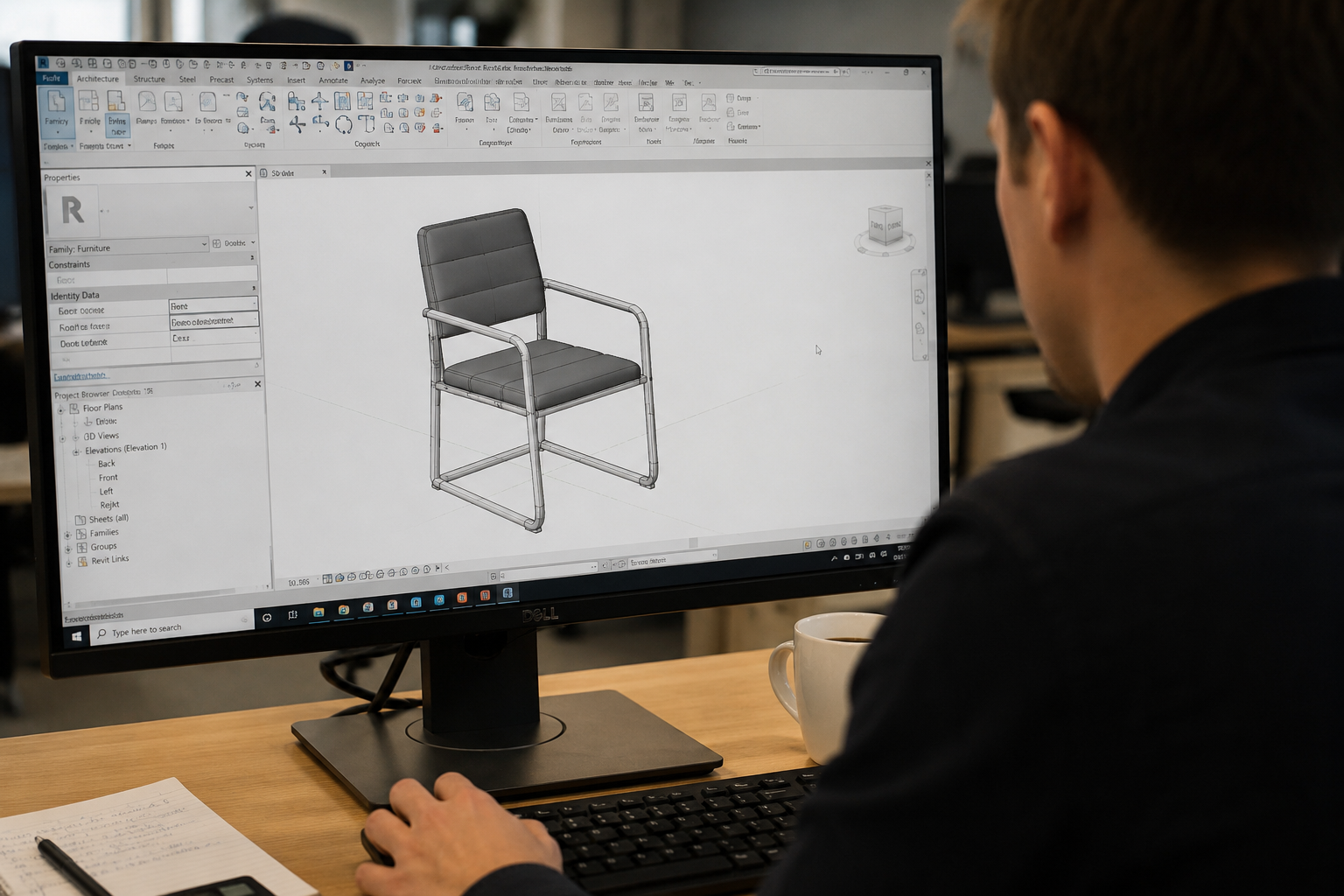
Something has gone wrong in how furniture gets specified, and the result shows up in rooms that feel slightly off in ways clients can't articulate and designers don't want to admit.
The workflow now goes like this: a designer finds something online, the material sample arrives in an envelope, a render gets built around it, the client says yes, and four months later the piece lands on site and something doesn't work. The proportions read differently in an actual room than they did on a monitor. The timber is darker under real light. The joinery that looked tight in the product photography turns out to be adequate at best. Nobody did anything wrong, exactly. The process just doesn't have a reliable way to catch these things before the truck shows up.
The camera compresses. Renders are built to flatter. Neither one tells you how a piece actually occupies a room, how the grain reads at four in the afternoon in November, or whether the scale holds against a real ceiling. And the furniture market has largely reorganized itself around this reality, producing pieces that perform well in catalog shoots and less well in the rooms they eventually land in. That gap between how something photographs and how it specifies is now wide enough to drive a project off course.
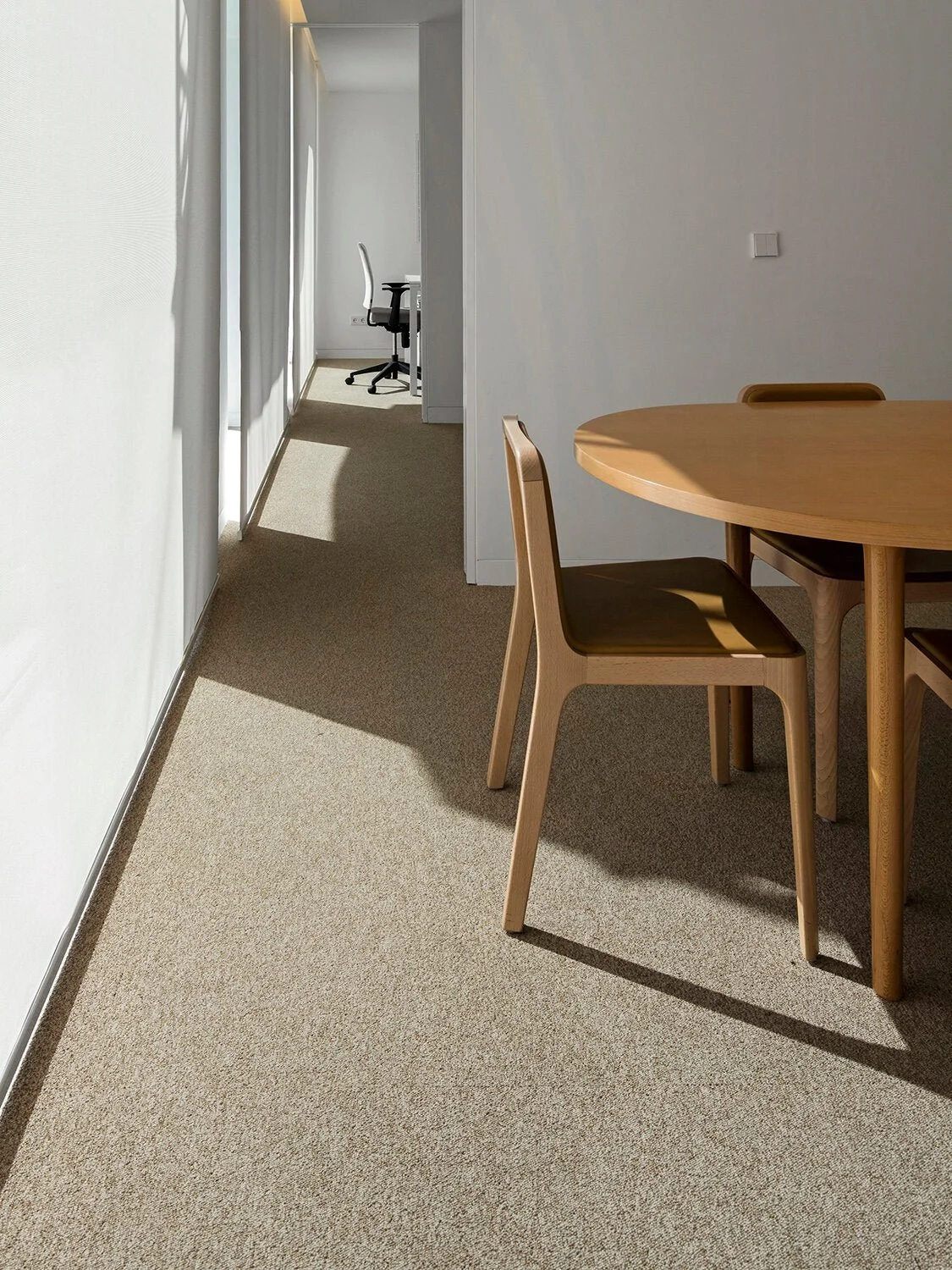
The pieces that survive physical scrutiny tend to be made by manufacturers who are solving for the room rather than the image. Tight joinery tolerances. Timber selected for consistency across production runs. Proportions that hold up at architectural scale. These are unglamorous manufacturing decisions and they don't show up in the photography, which is partly why they're increasingly rare and partly why they matter as much as they do.
MOR Design, working out of Lisbon, builds this way. Their hardwood furniture is made for spaces that will actually be used, which sounds like a low bar until you realize how much of the market isn't clearing it. Specifying one of their pieces requires touching it first, which is the point. You don't get the full picture from the website. That's a feature, not a flaw, in how they work.
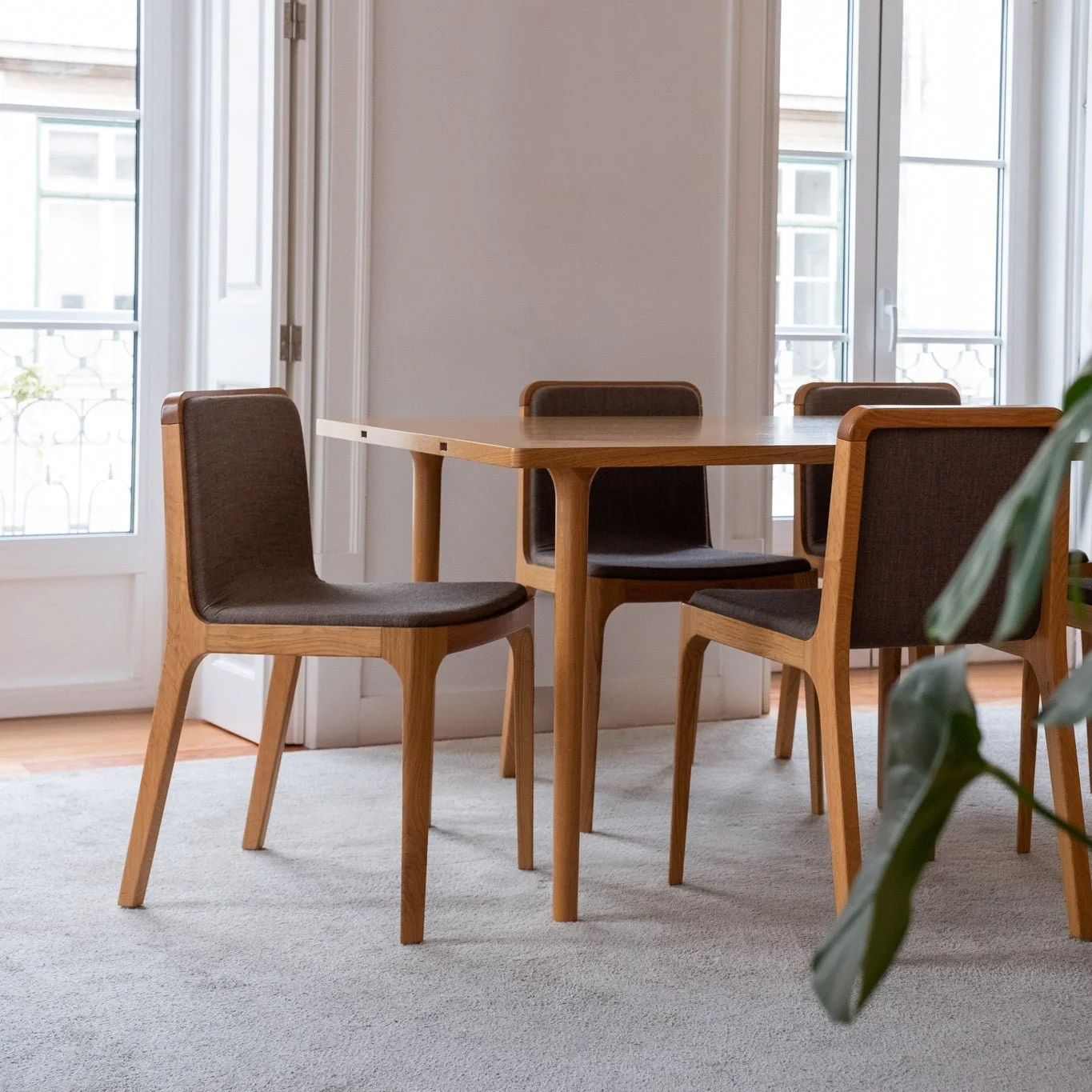
Specifying well has always meant physical contact with the material. Knowing how a species ages at eighteen months. Whether a finish marks under daily use or holds. These things don't live in a JPEG and they never will. The rooms that hold up over time were almost always specified by someone who had touched the thing before they drew it into a plan.