
The Real Cost of Outdoor Furniture Over Five Years
Most outdoor furniture budgets get set before anyone has asked the right question, which is why so many terraces look tired by their third summer.
The typical procurement logic goes like this: establish a number, find something that fits it and photographs well, get it delivered before the season starts. It works fine for year one. By the second summer the finish on the frames is showing UV stress. By the third there's checking at the wood joints and the cushions have faded unevenly on the side that takes the afternoon sun. Replacement enters the conversation, which means the original number was never actually the number.
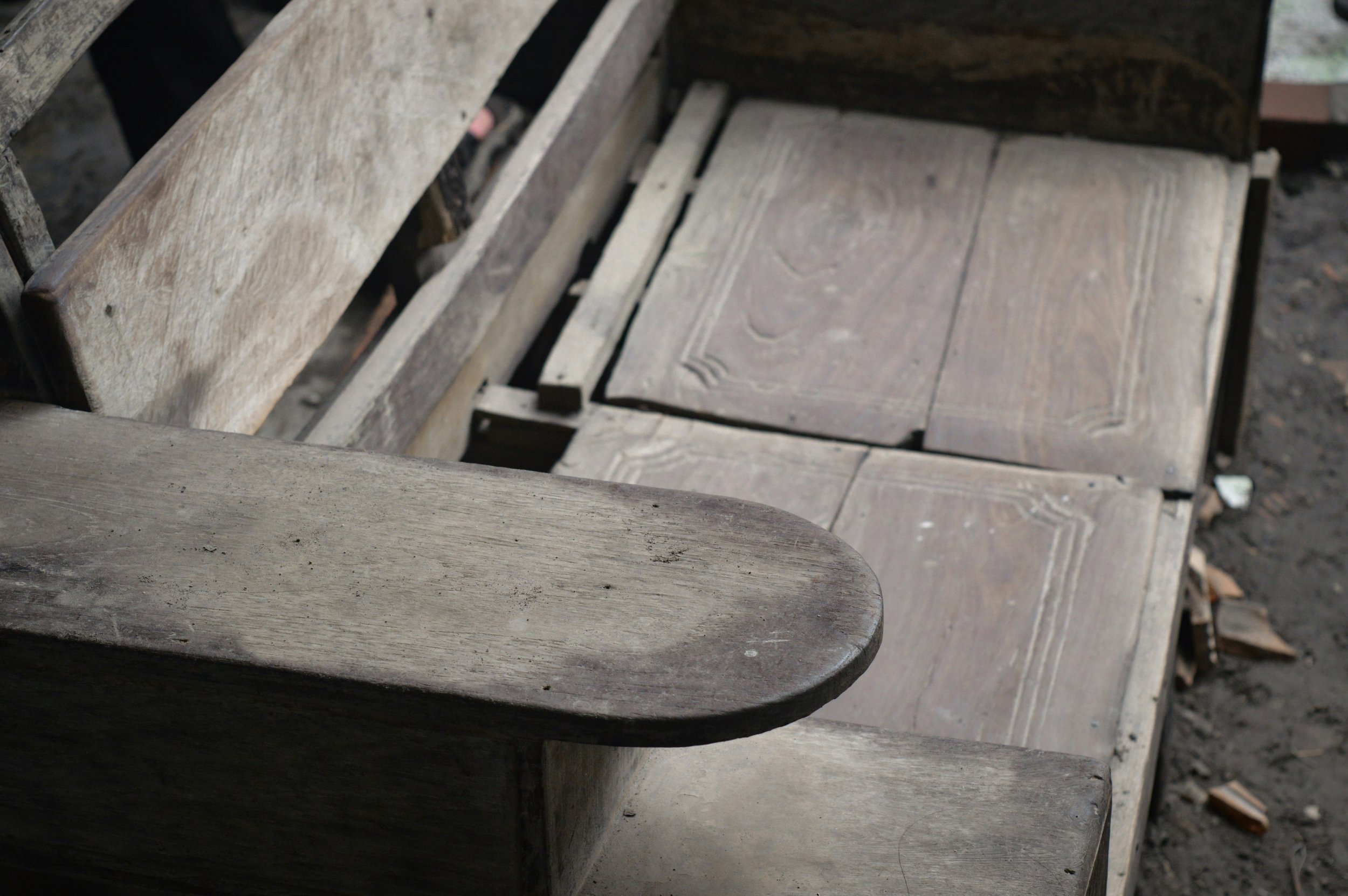
This is not a quality control problem in any individual case. It's what happens when outdoor furniture gets bought on the logic of an interior purchase applied to an environment that degrades materials on a fundamentally different schedule. A south-facing terrace in most North American climates puts a chair through more stress between spring and fall than a dining room puts the same chair through in five years. Thermal cycling, UV load, moisture at every joint. The materials that hold up under sustained exposure are specific and not interchangeable with the ones that look good in a showroom.
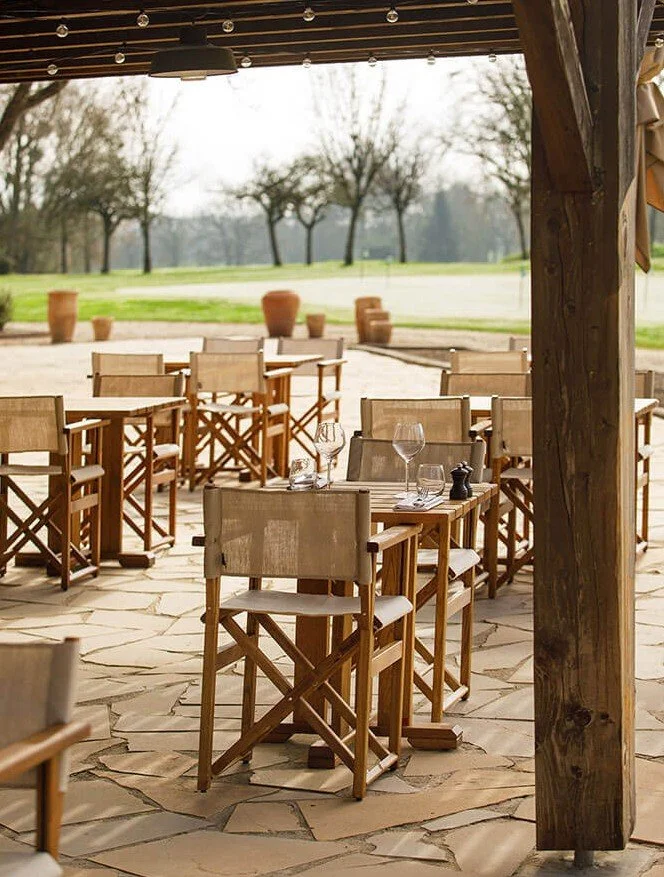
The five-year calculation almost always favors buying better the first time. A piece that costs more upfront and requires minimal maintenance across a decade is cheaper in aggregate than a piece bought at a lower price point and replaced at year three. Almost nobody runs this math at point of purchase because the budget conversation happens before the maintenance conversation, and the people setting the budget are rarely the ones dealing with the deterioration two seasons later.
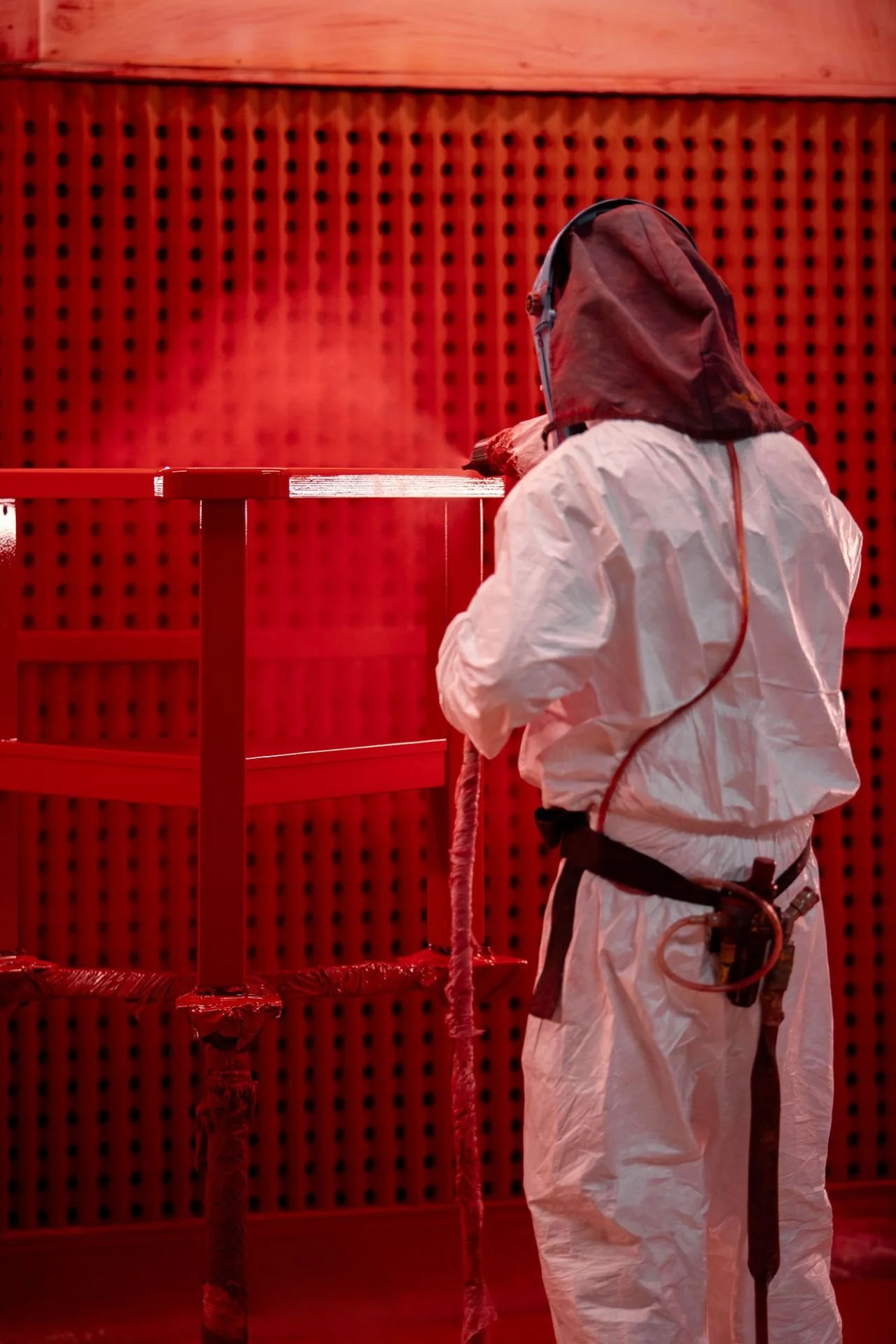
Azur Confort builds outdoor furniture in France using Robinia hardwood and European chestnut alongside aqueous finishing systems developed specifically for sustained outdoor exposure. Robinia is one of the few European hardwoods dense enough to resist moisture infiltration at the joint level without requiring annual treatment. That's where most outdoor wood furniture begins its decline, not at the surface but at the connection points, where water finds its way in over repeated seasonal cycles. The finishing system matters for the same reason: UV degradation is a surface problem first and a structural one later, and most contract-grade outdoor finishes are not built for the kind of solar load a west-facing commercial terrace generates across a full operating season.
This is not a materials story in the romantic sense. It's a procurement decision with a maintenance consequence attached to it, and the consequence shows up reliably whether or not anyone planned for it.
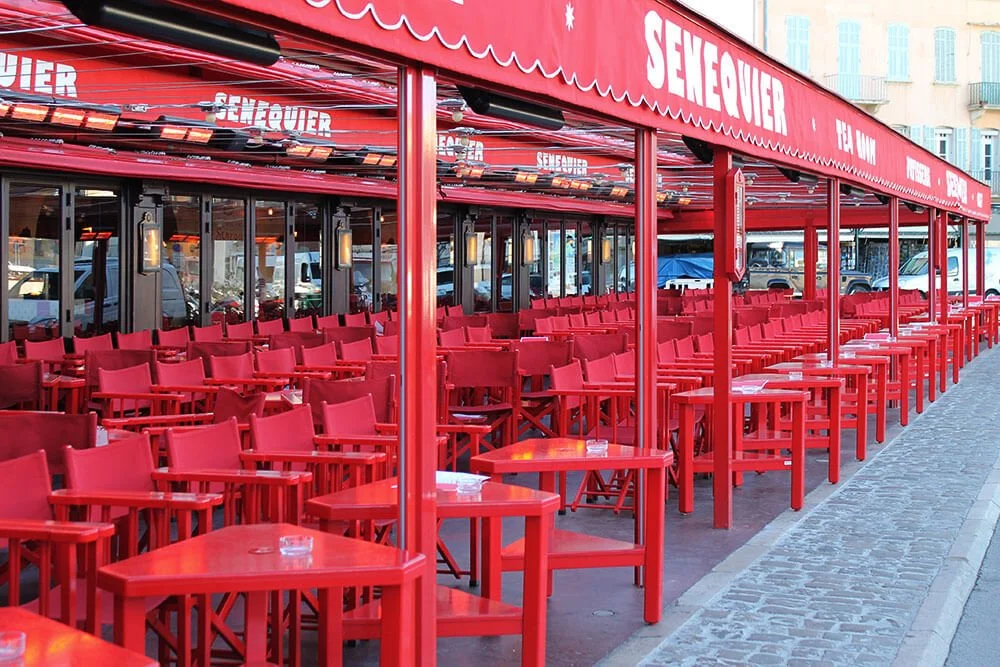
Buying outdoor furniture well means treating it as an infrastructure decision rather than a styling one. The sooner that framing enters a project, the better the outcome tends to be.