
Why Rooms Full of Good Objects Still Feel Wrong
There's a specific kind of interior that reads as unsettled despite the fact that everything in it was chosen carefully. The furniture is well-made. The lighting was specified with thought. Real money was spent. And standing inside it still produces a low-grade friction that nobody can quite name, which makes it worse because there's nothing obvious to fix.
The problem is almost never any single object. It's what happens between them.
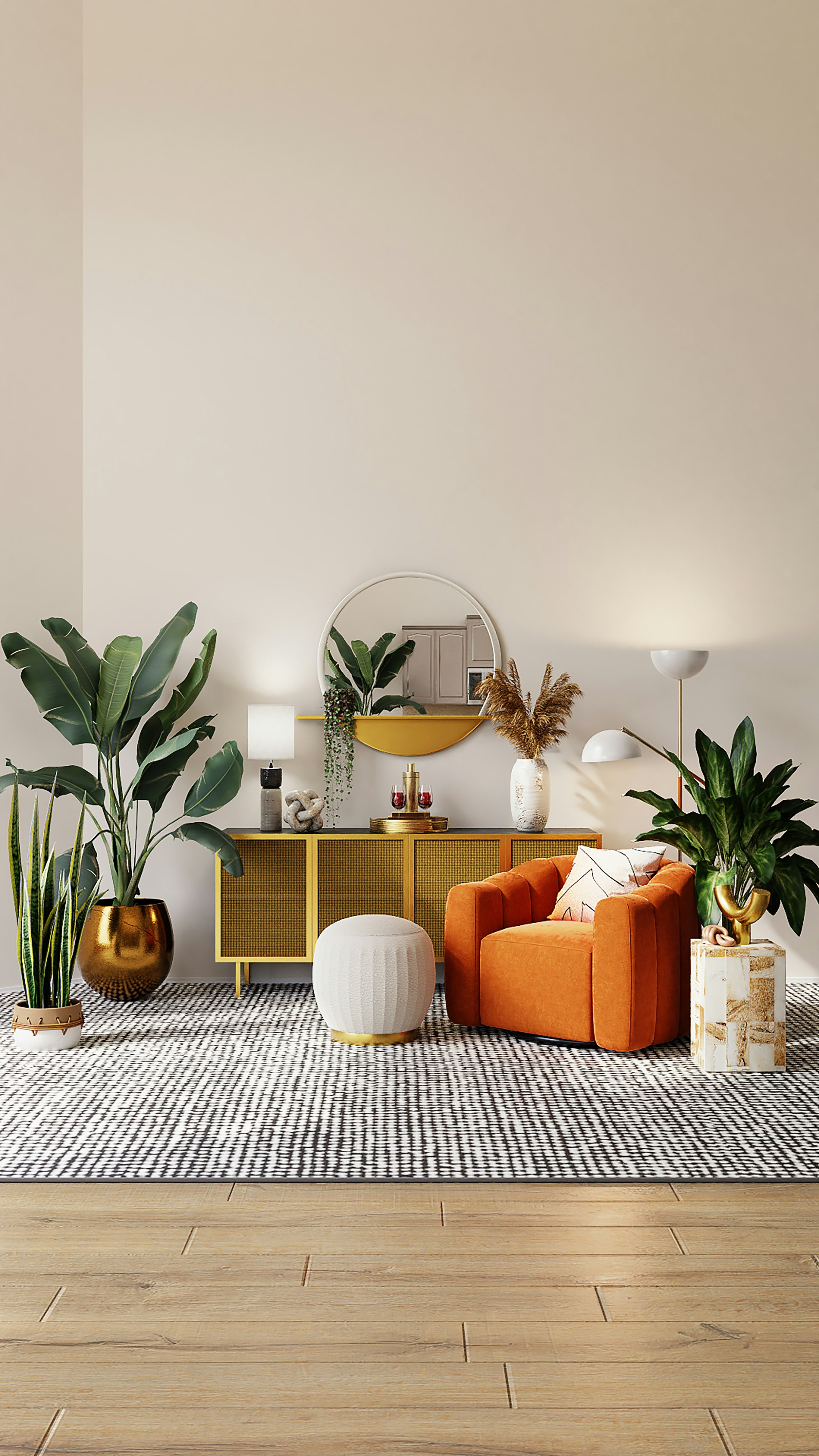
Objects communicate through material language: surface texture, colour temperature, the way light falls differently across ceramic versus glass versus timber. When those languages are coherent a room settles. When they conflict the room reads as assembled rather than resolved, and the eye moves around without finding anywhere to land. This is a sourcing problem more than a taste problem, and it tends to get attributed to the wrong things, usually proportion or colour, when the actual issue is that the materials in the room are having three different conversations at once.
Ceramics make this particularly visible. They appear in most interiors at multiple scales simultaneously, as vessels, as lighting, as smaller surface objects, and the variation in surface treatment, gloss level, and colour temperature across ceramic pieces from different origins is wide enough to introduce real visual conflict into a room that otherwise reads as coherent. Six ceramic pieces from six different manufacturers is six different material philosophies competing for the same visual register.

KERAMIK3D, working out of Thessaloniki, produces 3D-printed ceramic objects and lighting from a single material logic, which means a pendant and a vessel and a table object from the same studio are conducting the same conversation. The surface sensibility is consistent. The way they interact with daylight is consistent. The coherence doesn't have to be managed through styling after the fact because it's built into the sourcing decision. That's what makes the difference in a finished room, not any individual piece but the fact that the pieces aren't working against each other.